𐽹𐽺
Old Uyghur
| Uyghur script | 𐽹𐽰𐽺 (mʾn) 𐽹𐽶𐽺 (myn) 𐽹𐽰𐽺𐽷 (mʾnk) |
|---|---|
| Orkhon script | 𐰢𐰤 (mn²) 𐰢𐰃𐰤 (min²) |
| Manichaean script | 𐫖𐫗 (mn) |
| Sogdian script | 𐼺𐼻 (mn) |
| Arabic script | من (mn) بن (bn) مان (mʾn) |
| Syriac script | ܡܢ (mn) ܡܐܢ (mʾn)[1] |
| Brāhmī script | 𑀫𑁆𑀬𑀸𑀁 (myāṃ) 𑀫𑁆𑀬𑀁 (myaṃ) 𑀫𑁆𑀬𑀸 (myā) 𑀫𑁆𑀬 (mya)[2] |
| Tibetan script | མྱན (myan) མྱེན (myen)[3] |
| Han script | 綿我 (mián)[4] |
| ẖP'agsPa script | ꡏꡦꡋ (mėn)[5][6] |
Etymology
Inherited from Proto-Common Turkic *ben, from Proto-Turkic *bẹ (“I, me”, 1st person singular pronoun).
Noun
𐽹𐽺 (mn /män, men/)
- (religion, Buddhism) ego, self; puruṣa, ahaṃkāra
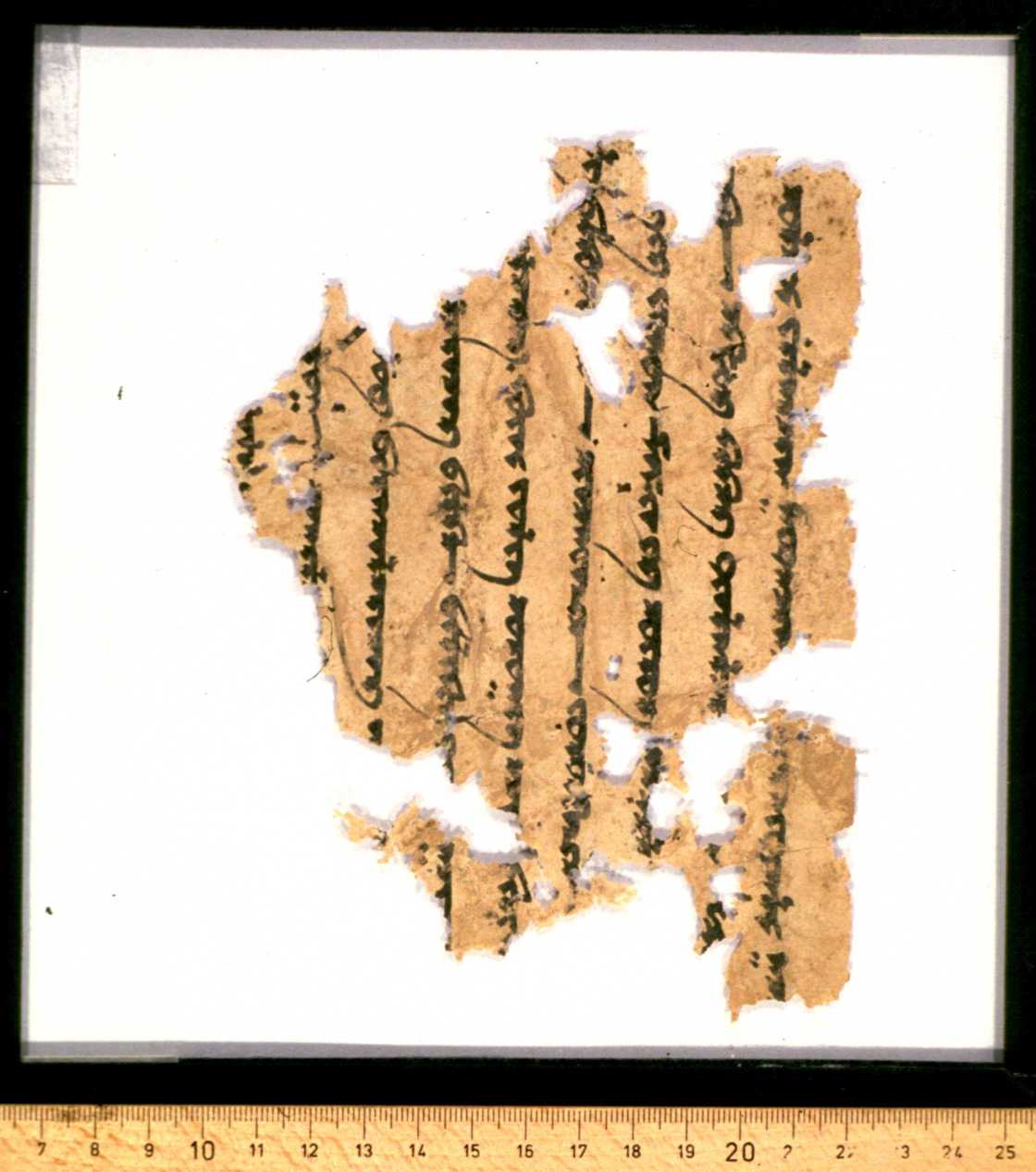
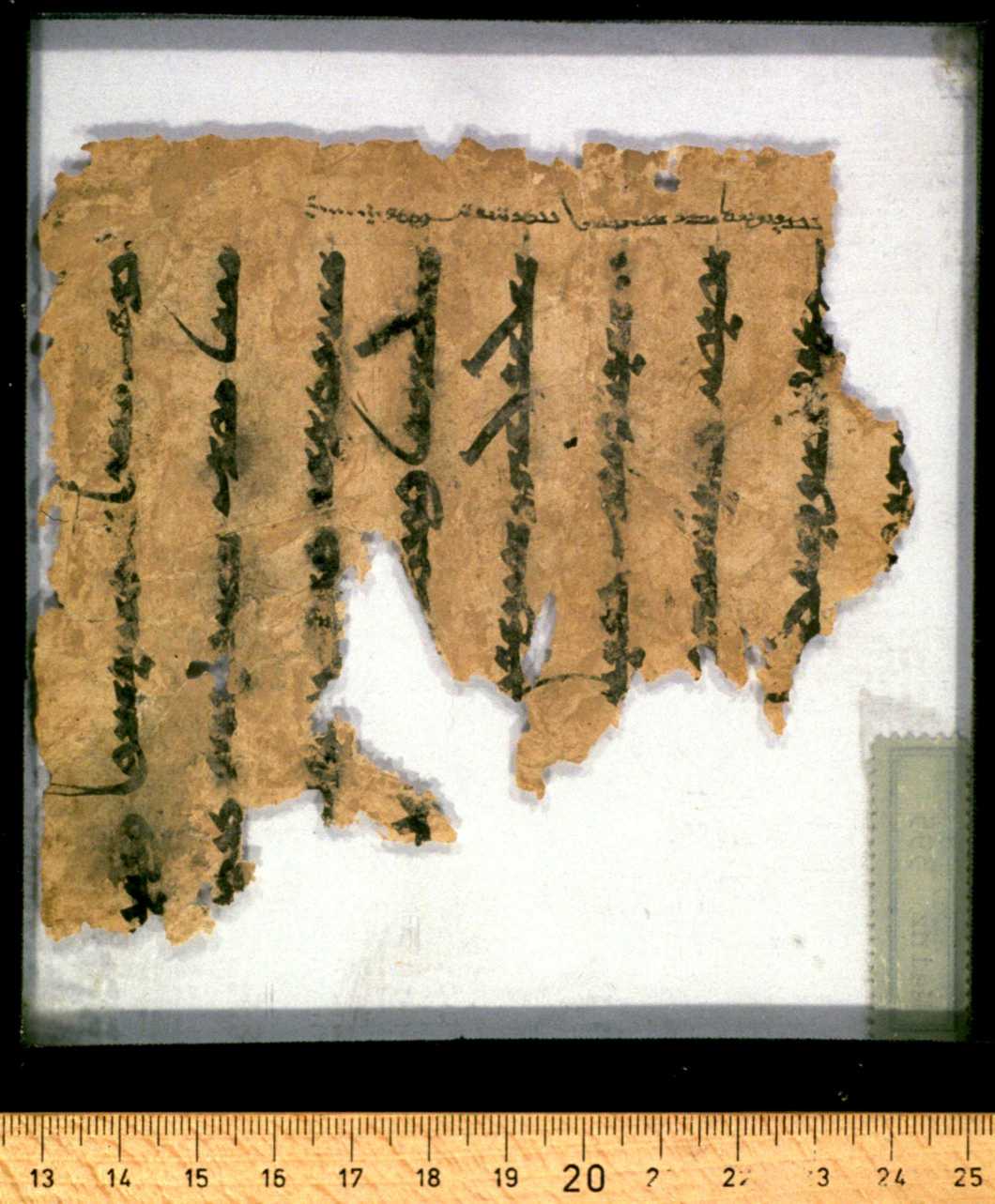
- c. 9th century, Vimalakīrtinirdeśasūtra: 3rd chapter[7] page 37 (Mz395+Mz307.17-18) [T.I.a] (verso, lines 7-8, both images):[8][9]
- 𐽂𐼴𐼷𐽀𐼴 𐼻𐼴𐼻𐼸 𐼸𐼷𐽀𐽂𐼴[𐼼𐼷𐼻]𐼿𐼰 𐼷𐼷 […] 𐼾𐽄𐼸𐼴𐼼𐼷 […] 𐼰𐼷𐼻𐼰𐼲𐼷𐼻𐼿𐼰 𐼷𐼴𐽀𐼴𐼸𐼷𐼻𐼿𐼰
𐼾𐽄𐼸𐼴𐽄𐼴𐼸 𐼰𐼴𐽂𐼲𐼴𐽀𐼰 […] 𐽄𐼷𐼸 𐼷𐼸 𐼷𐼴𐼲𐽉𐼴𐼲 𐼺𐼻𐼼𐼷𐼵 𐼷𐼸 𐼰𐼴𐼷𐽀𐼴𐼸 𐼰𐼰𐼺𐼰𐽄 [𐼻𐼴𐼺𐽄𐼰𐼲𐽄𐼷]- twyrw nwnk kyrtw[syn]cʾ yy […] plkwsy […] ʾynʾqyncʾ ywrwkyncʾ
plkwlwk ʾwtqwrʾ […] lyk yk ywq̈wq mnsyz yk ʾwyrwk ʾʾmʾl [nwmlʾqly] - /Törönüŋ kertüsinčä, yi[...nčä?], bälgüsinčä, ïnaġïnča, yörüginčä
balgülük, otġuraḳ; ämgäkligig, yoḳuġ, mänsizig; örüg amal [nomlaġlï.]/ - According to the truthfulness, [...], integrity and the interpretation of the written law; [they preach] clearly and surely, that [the dharmas are] impermanent and always serene - [teaching] the suffering, the non-existence and the selflessness.
- twyrw nwnk kyrtw[syn]cʾ yy […] plkwsy […] ʾynʾqyncʾ ywrwkyncʾ
- 𐽂𐼴𐼷𐽀𐼴 𐼻𐼴𐼻𐼸 𐼸𐼷𐽀𐽂𐼴[𐼼𐼷𐼻]𐼿𐼰 𐼷𐼷 […] 𐼾𐽄𐼸𐼴𐼼𐼷 […] 𐼰𐼷𐼻𐼰𐼲𐼷𐼻𐼿𐼰 𐼷𐼴𐽀𐼴𐼸𐼷𐼻𐼿𐼰
Declension
| Note: Not all forms are attested. | ||
|---|---|---|
| — | singular | definite plural |
| nominative | 𐽹𐽺 (mn) | 𐽹𐽺𐾁𐽰𐽾 (mnlʾr) |
| genitive | 𐽹𐽺𐽺𐽶𐽺𐽷 (mnnynk) | 𐽹𐽺𐾁𐽰𐽾𐽺𐽶𐽺𐽷 (mnlʾrnynk) |
| dative | 𐽹𐽺𐽷𐽰 (mnkʾ) | 𐽹𐽺𐾁𐽰𐽾𐽷𐽰 (mnlʾrkʾ) |
| accusative | 𐽹𐽺𐽶𐽷 (mnyk) 𐽹𐽺𐽺𐽶 (mnny) |
𐽹𐽺𐾁𐽰𐽾𐽶𐽷 (mnlʾryk) 𐽹𐽺𐾁𐽰𐽾𐽺𐽶 (mnlʾrny) |
| locative | 𐽹𐽺𐽸𐽰 (mndʾ) | 𐽹𐽺𐾁𐽰𐽾𐽸𐽰 (mnlʾrdʾ) |
| ablative | 𐽹𐽺𐽸𐽶𐽺 (mndyn) | 𐽹𐽺𐾁𐽰𐽾𐽸𐽶𐽺 (mnlʾrdyn) |
| instrumental | 𐽹𐽺𐽶𐽺 (mnyn) | 𐽹𐽺𐾁𐽰𐽾𐽶𐽺 (mnlʾryn) |
| equative | 𐽹𐽺𐽽𐽰 (mncʾ) | — |
| directive | 𐽹𐽺𐽷𐽰𐽾𐽳 (mnkʾrw) | — |
| similative | 𐽹𐽺𐾁𐽰𐽶𐽳 (mnlʾyw) | — |
Derived terms
- 𐽹𐽺𐽻𐽶𐽴 (mnsyz /non-ego; anātmaka, nirātmatā, nairātmya/)
- 𐽹𐽺𐾁𐽶𐽷 (mnlyk /mänlig/, “tangible, perceptible, realis”)
Pronoun
𐽹𐽺 (mn /män/)
- I, me; first person singular pronoun
- Coordinate terms: 𐽻𐽺 (sn /sän/, 2nd person singular pr.), 𐽰𐽳𐾁 (ʾwl /ol/, 3rd person singular pr.)
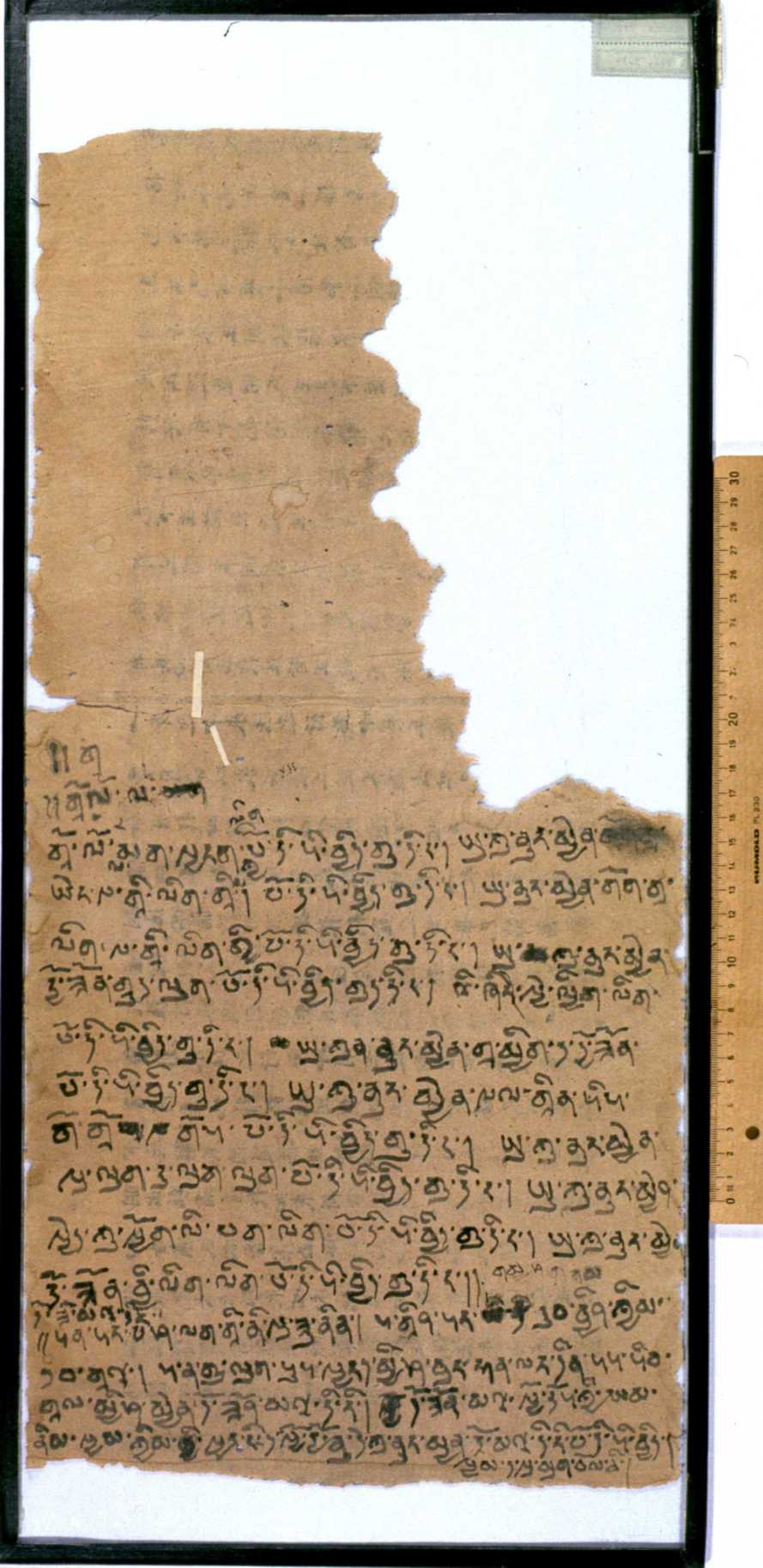
- undated (c. 11th century?), Namaskāras for various Bodhisattvas[13] Mz712.3 [T.II.Y.35] (verso, line 3):[14][15]
- གྲོ་ལོ་ལ་མག་ཨྱརྒ་ལིགྐྱིཔོ་ཏི་སི་བྱིཏ་གུ་ཏི་ཎ་།ཡུ་ཀུ་ནུར་མྱེན་[གོག་གྲ་]
- gro.lo.la.mag.ʔyarg.lig.kyi.po.ti.si.byit.gu.ti.ṅa yu.ku.nur.myen.[gog.gra]
- /Ḳololamaḳ-ärkligi bodïsïvït ḳutïŋa yükünür män./
- I bow down for the heavenly favor of the Bodhisattva Avalokiteśvara.[16]
- གྲོ་ལོ་ལ་མག་ཨྱརྒ་ལིགྐྱིཔོ་ཏི་སི་བྱིཏ་གུ་ཏི་ཎ་།ཡུ་ཀུ་ནུར་མྱེན་[གོག་གྲ་]
Descendants
References
- ^ Zieme, Peter (2015), Altuigurische Texte der Kirche des Ostens aus Zentralasien (Gorgias Eastern Christian Studies; 41) (in German), →ISBN, page 221
- ^ Dieter, Maue (2015), Alttürkische Handschriften: Dokumente in Brāhmī und Tibetischer Schrift (Teil 2) (Verzeichnis der orientalischen handschriften in Deutschland; 27) (in German), →ISBN, page 599
- ^ Dieter, Maue (1996), Alttürkische Handschriften: Dokumente in Brāhmī und Tibetischer Schrift (Teil 1) (Verzeichnis der orientalischen handschriften in Deutschland; 9) (in German), →ISBN, page 220
- ^ Yunusoğlu, Mağfiret Kemal (2012), Uygurca-Çince İdikut Sözlüğü[1] (in Turkish), Türk Dil Kurumu Yayınları, →ISBN, page 167
- ^ https://dsr.nii.ac.jp/toyobunko/VIII-5-B6-3/V-6/page/0073.html.en
- ^ https://www.babelstone.co.uk/Blog/2011/11/phags-pa-graffiti.html
- ^ https://vatec2.fkidg1.uni-frankfurt.de/vatecasp/Altt%C3%BCrkische_Text_in_sogdischer_Schrift.htm#220391
- ^ https://turfan.bbaw.de/dta/mainz/images/mainz0307_seite2.jpg
- ^ https://turfan.bbaw.de/dta/mainz/images/mainz0395_seite2.jpg
- ^ Tekin, Mehmet Talât (2004), Irk Bitig: Book of Omens (Turcologica; 18), →ISBN, pages 08-09
- ^ https://idp.bl.uk/uv/?manifest=https%3A%2F%2Fdata.idp.bl.uk%2Fiiif%2F3%2Fmanifest%2F0EB6E2F74517416E9C8C2A63B67BD21D#?c=&m=&cv=6&xywh=0%2C-192%2C975%2C1534
- ^ https://vatec2.fkidg1.uni-frankfurt.de/vatecasp/Irk_Bitig.htm#142518
- ^ Dieter, Maue (1996), Alttürkische Handschriften: Dokumente in Brāhmī und Tibetischer Schrift (Teil 1) (Verzeichnis der orientalischen handschriften in Deutschland; 9) (in German), →ISBN, page 219
- ^ https://turfan.bbaw.de/dta/mainz/images/mainz0712_seite2.jpg
- ^ Dieter, Maue (1996), Alttürkische Handschriften: Dokumente in Brāhmī und Tibetischer Schrift (Teil 1) (Verzeichnis der orientalischen handschriften in Deutschland; 9) (in German), →ISBN, page Tafel 107
- ^ Literally, “The sovereign of meditation”.
- ^ Léi, Xuǎnchūn (雷选春) (1992), “我”, in 西部裕固汉词典 [Xībù Yùgù-Hàn cídiǎn], Chengdu: Sichuan Minority Publishing House, page 83
Further reading
- Caferoğlu, Ahmet (1968), “män”, in Eski Uygur Türkçesi Sözlüğü (Türk Dil Kurumu Yayınları; 260) (in Turkish), Istanbul: Edebiyat Fakültesi Basımevi, page 129
- Clauson, Gerard (1972), “ben”, in An Etymological Dictionary of pre-thirteenth-century Turkish, Oxford: Clarendon Press, →ISBN, →OCLC, page 346
- The template Template:R:otk:DTS does not use the parameter(s):
entry=ben
Please see Module:checkparams for help with this warning.Nadeljajev, V. M.; Nasilov, D. M.; Tenišev, E. R.; Ščerbak, A. M., editors (1969), Drevnetjurkskij slovarʹ [Dictionary of Old Turkic] (in Russian), Leningrad: USSR Academy of Sciences, Nauka, page 94 - Wilkens, Jens (2021), “1m(ä)n ~ män”, in Handwörterbuch des Altuigurischen (in German), Göttingen: Akademie der Wissenschaften zu Göttingen, pages 471-472