𐽼𐽰𐽲𐽿𐽶
Old Uyghur
| Uyghur script | 𐽼𐽰𐽲𐾄𐽻𐽶 (pʾq̈sy) 𐽼𐽰𐽲𐾂𐽻𐽶 (pʾq̇sy) 𐽼𐽰𐽲𐽻𐽶 (pʾqsy) 𐽼𐽰𐽷𐽿𐽶 (pʾkšy) 𐽼𐽶𐽷𐽰𐽺𐽿𐽶 (pykʾnšy) 𐽼𐽰𐽷𐽷𐽶𐽹 (pʾkkym) 𐽱𐽰𐽲𐽿𐽶 (βʾqšy) |
|---|---|
| Orkhon script | — |
| Manichaean script | — |
| Sogdian script | — |
| Arabic script | — |
| Syriac script | — |
| Brāhmī script | 𑀧𑀳𑁆𑀰𑀺 (pahśi) 𑀧𑀸𑀳𑁆𑀰𑀺 (pāhśi) 𑀪𑀸𑀳𑁆𑀱𑀺 (bhāhṣi)[1][2] |
| Tibetan script | — |
| Han script | 把失師 (paeX syit)[3] |
| ẖP'agsPa script | — |
Etymology
Sense 1 is borrowed from Middle Chinese 博士 (pak dzriX /pak ʂhɻ/, “master; person with a particular skill; learned person, polymath”), while sense 2 is borrowed from Sanskrit भिक्षु (bhikṣu, “mendicant; Buddhist monk”). Either sense is unrelated to 𐽱𐽰𐽼𐽿𐽶 (βʾpšy /fapši/, “teacher; religious instructor, sūtra interpreter”).
Noun
𐽼𐽰𐽲𐽿𐽶 (pʾqšy /baḥšï, baḥši/)
- (sociology) teacher, master; learned person, polymath
- Synonyms: 𐽰𐽰𐽽𐽰𐽾𐽶 (ʾʾcʾry /ačari/), 𐽸𐽰𐽾𐽹𐽰𐽲𐽰𐽸𐽶𐽷𐽶 (dʾrmʾqʾdyky /darmaḳadike/), 𐽸𐽰𐽾𐽹𐽰𐾀𐽰𐽸𐽶 (dʾrmʾtʾdy /darmatade/), 𐫍𐫇𐫢𐫔𐫏 (hwšδy /ḥuešte/), 𐽰𐽶𐽻𐽸𐽳𐽺𐽼𐽰 (ʾysdwnpʾ /isdonpa/), 𐽷𐽰𐽷𐽰 (kʾkʾ /käkä/), 𐽷𐽿𐽶 (kšy /käši/), 𐾁𐽰𐽹𐽰 (lʾmʾ /lama/), 𐫖𐫍𐫏𐫘𐫔𐫞 (mhysδq /mahistaḳ/), 𐽹𐽳𐽽𐽲 (mwcq /močaḳ/), 𐽺𐽳𐽹𐽽𐽶 (nwmcy /nomčï/), 𐽻𐽳𐽶𐽴𐽽𐽶 (swyzcy /sözči/), 闍梨 (d͡ʑia.liɪ /šäli/), 𐽿𐽶 (šy /ši/), 𐾀𐽰𐽶𐽿𐽶 (tʾyšy /taiši, tayši/), 𐽰𐽳𐽼𐽰𐽸𐽶𐽰𐽶𐽶 (ʾwpʾdyʾyy /upadyaye/), 𐽰𐽳𐽼𐽰𐾀𐽶𐽰 (ʾwpʾtyʾ /upatya/)
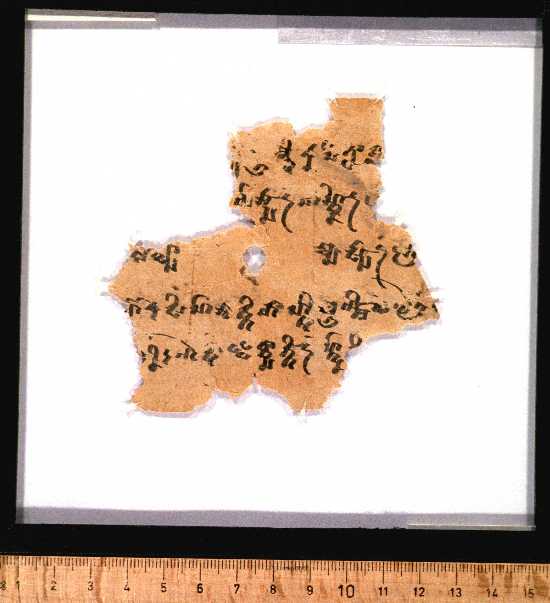
- c. 11th century, A recipe for preparing Kapitthāṣṭaka(ಕಪಿತ್ಥಾಷ್ಟಕ) U5214.4 (recto, line 4):[4]
- 𑀪𑁄𑁇𑀲𑀺𑀁𑀳𑀸𑀰𑀓𑁆𑀢𑀺𑀪𑀸𑀳𑁆𑀰𑀺𑀆𑀬𑁆𑀫𑀺𑀱𑁆𑀑𑀮𑁆
- bho siṃhāśakti bhāhśi āymiṣ ol
- /Bo Sinhašakti Baḥšï aymïš ol./
- This is what the Master Siṃhāśakti said.
- 𑀪𑁄𑁇𑀲𑀺𑀁𑀳𑀸𑀰𑀓𑁆𑀢𑀺𑀪𑀸𑀳𑁆𑀰𑀺𑀆𑀬𑁆𑀫𑀺𑀱𑁆𑀑𑀮𑁆
- c. 1328, Ïnal Tämür Taišeŋdu (大乘奴), Yetikän Sudur[5] T.III.M.190 (blockprint, line 32):
- 𐽰𐽳𐽶𐽴𐽰𐾁𐽶𐽷𐽻𐽶𐽴 𐽺𐽳𐽹 𐽼𐽳𐽿𐽲𐽳𐽺𐽹𐽶𐽿 𐽰𐽳𐽶𐽴 𐽼𐽰𐽲𐽿𐽶 𐾁𐽰𐽾𐽶𐽹 𐾈
- ʾwyzʾlyksyz nwm pwšqwnmyš ʾwyz pʾqšy lʾrym
- /Üzäliksiz nom bošġunmïš öz baḳšïlarïm./
- My teachers, who have learned the unsurpassabl[y noble] teachings.
- 𐽰𐽳𐽶𐽴𐽰𐾁𐽶𐽷𐽻𐽶𐽴 𐽺𐽳𐽹 𐽼𐽳𐽿𐽲𐽳𐽺𐽹𐽶𐽿 𐽰𐽳𐽶𐽴 𐽼𐽰𐽲𐽿𐽶 𐾁𐽰𐽾𐽶𐽹 𐾈
- (religion, Buddhism) guru, siddha; religious teacher and instructor
- Synonyms: 𐽰𐽰𐽲𐽶𐽾 (ʾʾqyr /aġïr/), 𐽲𐽳𐽾𐽳 (qwrw /ġuru/), 𐾁𐽰𐽹𐽰 (lʾmʾ /lama/), 𐽰𐽳𐾁𐽳𐽲 (ʾwlwq /uluġ/)
Declension
| Note: Not all forms are attested. | ||
|---|---|---|
| — | singular | definite plural |
| nominative | 𐽼𐽰𐽲𐽿𐽶 (pʾqšy) | 𐽼𐽰𐽲𐽿𐽶𐾁𐽰𐽾 (pʾqšylʾr) |
| genitive | 𐽼𐽰𐽲𐽿𐽶𐽺𐽶𐽺𐽷 (pʾqšynynk) | 𐽼𐽰𐽲𐽿𐽶𐾁𐽰𐽾𐽺𐽶𐽺𐽷 (pʾqšylʾrnynk) |
| dative | 𐽼𐽰𐽲𐽿𐽶𐽲𐽰 (pʾqšyqʾ) | 𐽼𐽰𐽲𐽿𐽶𐾁𐽰𐽾𐽲𐽰 (pʾqšylʾrqʾ) |
| accusative | 𐽼𐽰𐽲𐽿𐽶𐽲 (pʾqšyq) 𐽼𐽰𐽲𐽿𐽶𐽺𐽶 (pʾqšyny) |
𐽼𐽰𐽲𐽿𐽶𐾁𐽰𐽾𐽶𐽲 (pʾqšylʾryq) 𐽼𐽰𐽲𐽿𐽶𐾁𐽰𐽾𐽺𐽶 (pʾqšylʾrny) |
| locative | 𐽼𐽰𐽲𐽿𐽶𐾀𐽰 (pʾqšytʾ) | 𐽼𐽰𐽲𐽿𐽶𐾁𐽰𐽾𐾀𐽰 (pʾqšylʾrtʾ) |
| ablative | 𐽼𐽰𐽲𐽿𐽶𐾀𐽶𐽺 (pʾqšytyn) | 𐽼𐽰𐽲𐽿𐽶𐾁𐽰𐽾𐾀𐽶𐽺 (pʾqšylʾrtyn) |
| instrumental | 𐽼𐽰𐽲𐽿𐽶𐽺 (pʾqšyn) | 𐽼𐽰𐽲𐽿𐽶𐾁𐽰𐽾𐽶𐽺 (pʾqšylʾryn) |
| equative | 𐽼𐽰𐽲𐽿𐽶𐽽𐽰 (pʾqšycʾ) | — |
| directive | 𐽼𐽰𐽲𐽿𐽶𐽲𐽰𐽾𐽳 (pʾqšyqʾrw) | — |
| similative | 𐽼𐽰𐽲𐽿𐽶𐾁𐽰𐽶𐽳 (pʾqšylʾyw) | — |
Descendants
- → Chagatai: باحشی (bʾḫšy /baḥšï/, “scribe; scribes from the Turkestan region who do not know Persian; secretary, polymath”)
- → Middle Mongol: ᠪᠠᠬᠱᠢ (baqši)
- ⇒ Western Yugur: baxʂi (“master, religious teacher”), baʤəna (“ascetic; master”)[6]
References
- ^ von Gabain, Annemarie (1954), Türkische Turfan Texte VIII: Texte im Brāhmīschrift (in German), page 95
- ^ Dieter, Maue (2015), Alttürkische Handschriften: Dokumente in Brāhmī und Tibetischer Schrift (Teil 2) (Verzeichnis der orientalischen handschriften in Deutschland; 27) (in German), →ISBN, page 580
- ^ Yunusoğlu, Mağfiret Kemal (2012), Uygurca-Çince İdikut Sözlüğü[1] (in Turkish), Türk Dil Kurumu Yayınları, →ISBN, page 153
- ^ https://turfan.bbaw.de/dta/u/images/u5214seite2.jpg
- ^ Rahmati, Arat Reşat (1937), VII: Mit Sinologischen Anmerkungen (Türkische Turfan Texte) (in German), page 52
- ^ Léi, Xuǎnchūn (雷选春) (1992), “僧人, 师父, 士获签”, in 西部裕固汉词典 [Xībù Yùgù-Hàn cídiǎn], Chengdu: Sichuan Minority Publishing House, pages 50, 51
Further reading
- Caferoğlu, Ahmet (1968), “baḫši”, in Eski Uygur Türkçesi Sözlüğü (Türk Dil Kurumu Yayınları; 260) (in Turkish), Istanbul: Edebiyat Fakültesi Basımevi, page 31
- Clauson, Gerard (1972), “bağşı:”, in An Etymological Dictionary of pre-thirteenth-century Turkish, Oxford: Clarendon Press, →ISBN, →OCLC, page 321
- The template Template:R:otk:DTS does not use the parameter(s):
entry=baqŠï
Please see Module:checkparams for help with this warning.Nadeljajev, V. M.; Nasilov, D. M.; Tenišev, E. R.; Ščerbak, A. M., editors (1969), Drevnetjurkskij slovarʹ [Dictionary of Old Turkic] (in Russian), Leningrad: USSR Academy of Sciences, Nauka, page 82 - Wilkens, Jens (2021), “1bahšı ~ pahši ~ pahšı”, in Handwörterbuch des Altuigurischen (in German), Göttingen: Akademie der Wissenschaften zu Göttingen, page 138