𐽼𐽰𐽲𐽰
Old Uyghur
| Uyghur script | 𐽼𐽰𐽲𐾄𐽰 (pʾq̈ʾ) |
|---|---|
| Orkhon script | — |
| Manichaean script | — |
| Sogdian script | — |
| Arabic script | — |
| Syriac script | — |
| Brāhmī script | 𑀧𑀸𑀓𑀸 (pākā) |
| Tibetan script | — |
| Han script | — |
| ẖP'agsPa script | — |
Etymology
Inherited from Proto-Turkic *bāka (“frog, turtle”).
Noun
𐽼𐽰𐽲𐽰 (pʾqʾ /baḳa/)
- (zoology) frog, toad; turtle
- Synonym: 𐾀𐽰𐽹𐾁𐽳𐽺𐽷 (tʾmlwnk /tamluŋ/, “turtle, amphibian”)
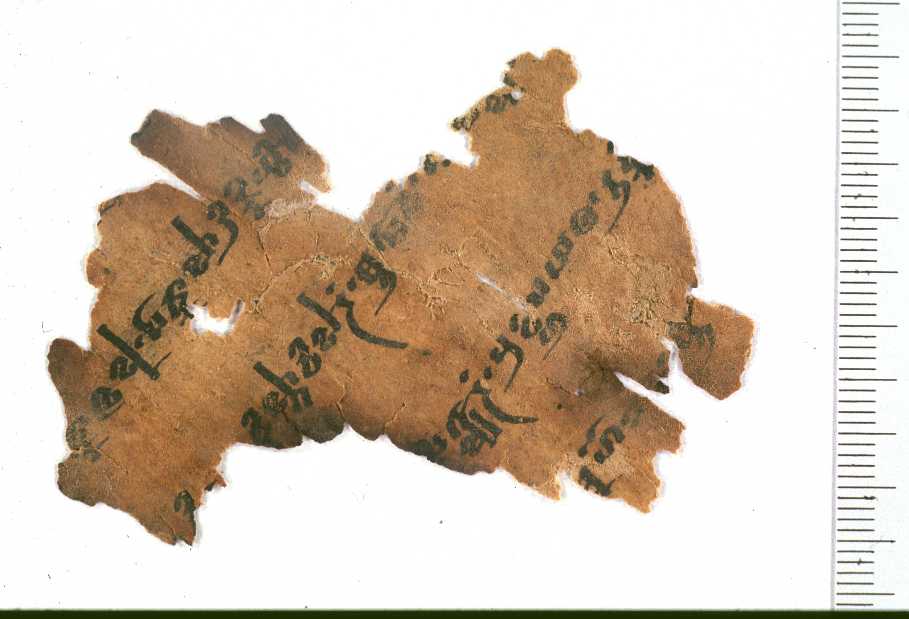
- c. 10th century, Šeŋko Šäli Tutuŋ (勝光闍梨都統), Biography of Xuanzang: 7th chapter[1] [Fragment lost] (page 9.b, recto, lines 19-20):
- 𐽶𐽾𐽳𐽵𐾄 𐽼𐽶𐾁𐽷𐽰 𐽼𐽶𐾁𐽶𐽷𐽶 𐾀𐽶𐽸
𐾀𐽶 𐽼𐽰𐽲𐾄𐽰 𐽼𐽰𐽸𐽶𐽴 𐾁𐽶𐽷 𐽸𐽰 𐾈- yrwẍ pylkʾ pylyky tyd
ty pʾq̈ʾ pʾdyz lyk dʾ - /Yaroḳ bilgä biligi tïd[ïl]tï baḳa bädizligdä./
- Brilliant wisdom was hampered by the patterns on turtle[-shells.][2]
- yrwẍ pylkʾ pylyky tyd
- 𐽶𐽾𐽳𐽵𐾄 𐽼𐽶𐾁𐽷𐽰 𐽼𐽶𐾁𐽶𐽷𐽶 𐾀𐽶𐽸
Declension
| Note: Not all forms are attested. | ||
|---|---|---|
| — | singular | definite plural |
| nominative | 𐽼𐽰𐽲𐽰 (pʾqʾ) | 𐽼𐽰𐽲𐽰𐾁𐽰𐽾 (pʾqʾlʾr) |
| genitive | 𐽼𐽰𐽲𐽰𐽺𐽶𐽺𐽷 (pʾqʾnynk) | 𐽼𐽰𐽲𐽰𐾁𐽰𐽾𐽺𐽶𐽺𐽷 (pʾqʾlʾrnynk) |
| dative | 𐽼𐽰𐽲𐽰𐽲𐽰 (pʾqʾqʾ) | 𐽼𐽰𐽲𐽰𐾁𐽰𐽾𐽲𐽰 (pʾqʾlʾrqʾ) |
| accusative | 𐽼𐽰𐽲𐽰𐽲 (pʾqʾq) 𐽼𐽰𐽲𐽰𐽺𐽶 (pʾqʾny) |
𐽼𐽰𐽲𐽰𐾁𐽰𐽾𐽶𐽲 (pʾqʾlʾryq) 𐽼𐽰𐽲𐽰𐾁𐽰𐽾𐽺𐽶 (pʾqʾlʾrny) |
| locative | 𐽼𐽰𐽲𐽰𐾀𐽰 (pʾqʾtʾ) | 𐽼𐽰𐽲𐽰𐾁𐽰𐽾𐾀𐽰 (pʾqʾlʾrtʾ) |
| ablative | 𐽼𐽰𐽲𐽰𐾀𐽶𐽺 (pʾqʾtyn) | 𐽼𐽰𐽲𐽰𐾁𐽰𐽾𐾀𐽶𐽺 (pʾqʾlʾrtyn) |
| instrumental | 𐽼𐽰𐽲𐽰𐽺 (pʾqʾn) | 𐽼𐽰𐽲𐽰𐾁𐽰𐽾𐽶𐽺 (pʾqʾlʾryn) |
| equative | 𐽼𐽰𐽲𐽰𐽽𐽰 (pʾqʾcʾ) | — |
| directive | 𐽼𐽰𐽲𐽰𐽲𐽰𐽾𐽳 (pʾqʾqʾrw) | — |
| similative | 𐽼𐽰𐽲𐽰𐾁𐽰𐽶𐽳 (pʾqʾlʾyw) | — |
Derived terms
- 𐽹𐽳𐽶𐽶𐽳𐽴 𐽼𐽰𐽲𐽰 (mwyywz pʾqʾ /müyüz baḳa/, “turtle, tortoise”)
Descendants
- Western Yugur: baɢa (“frog”)[5]
References
- ^ https://vatec2.fkidg1.uni-frankfurt.de/vatecasp/Xuanzang-Biographie_VII.htm#265490
- ^ Referring to Chinese scapulimancy.
- ^ Dieter, Maue (2015), Alttürkische Handschriften: Dokumente in Brāhmī und Tibetischer Schrift (Teil 2) (Verzeichnis der orientalischen handschriften in Deutschland; 27) (in German), →ISBN, pages 107-108
- ^ https://turfan.bbaw.de/dta/u/images/u6841seite2.jpg
- ^ Léi, Xuǎnchūn (雷选春) (1992), “青蛙”, in 西部裕固汉词典 [Xībù Yùgù-Hàn cídiǎn], Chengdu: Sichuan Minority Publishing House, page 50
Further reading
- Clauson, Gerard (1972), “baka:”, in An Etymological Dictionary of pre-thirteenth-century Turkish, Oxford: Clarendon Press, →ISBN, →OCLC, pages 311-312
- The template Template:R:otk:DTS does not use the parameter(s):
entry=baqa (I, II)
Please see Module:checkparams for help with this warning.Nadeljajev, V. M.; Nasilov, D. M.; Tenišev, E. R.; Ščerbak, A. M., editors (1969), Drevnetjurkskij slovarʹ [Dictionary of Old Turkic] (in Russian), Leningrad: USSR Academy of Sciences, Nauka, page 82 - Wilkens, Jens (2021), “1baka”, in Handwörterbuch des Altuigurischen (in German), Göttingen: Akademie der Wissenschaften zu Göttingen, page 138